Royal Assent now imminent – landlords’ last practical window before major legal change
What it means
- Section 21 “no-fault” evictions to be abolished once the Act commences
- Periodic tenancies to replace fixed-term agreements
- Rent increases and bidding wars to be restricted
- Decent Homes Standard extended to the private rented sector
- New PRS Ombudsman and national property register to launch
- Eviction timelines already 12–18 months in many cases
- Rent and Legal cover now essential protection
What’s changing
The Renters’ Rights Bill has passed through Parliament almost unchanged and now awaits Royal Assent from the King. Once approved, it becomes law and will be phased in from late 2025 through 2026.
When the new law starts:
- Section 21 will be abolished – landlords must rely on updated Section 8 grounds such as sale, re-occupation, or serious arrears to recover possession.
- Fixed-term tenancies will end – all new and renewed lets become open-ended periodic agreements.
- Rent rises limited to one formal increase per year through a statutory process.
- Bidding wars and “rent in advance” requirements will be restricted.
- Decent Homes Standard introduced across the PRS.
- A new PRS Ombudsman and national property register will increase transparency and enforcement.
What can landlords still do now
For the moment, the current Housing Act 1988 rules still apply.
- You can serve a Section 21 notice today – any valid notice issued before commencement remains enforceable.
- Existing and new ASTs created now continue under present law until transition begins.
- Once commencement dates are announced, Section 21 use will stop and all new tenancies will move to the new structure.
This period is therefore the final practical window to act under the existing framework.
Political reaction
Shadow Housing Secretary James Cleverly said:
“The Bill in its current form will, in some areas, be counter-productive and drive landlords from the market as well as putting up rents for tenants. We will be holding the Government to account for the consequences of this Bill.”
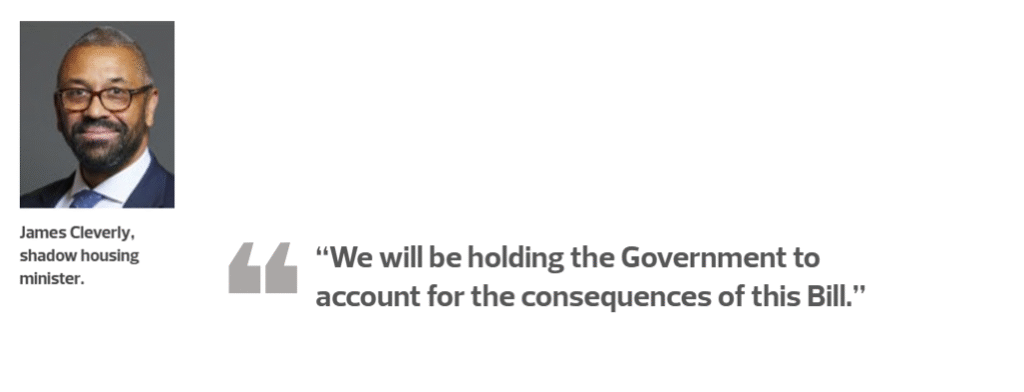
Industry leaders warn that tighter controls could reduce rental supply and increase pressure on rents.
Act now – the last practical window
Section 21 remains active only until the Government brings the Act into force. If you are managing arrears, tenancy breaches or under-market rents, now is the time to act.
- Rent and Legal cover eligibility is strict. Most insurers will decline any tenancy where rent has been late – even by a single day – within the last six to twelve months.
- If your rent is below market now, the new regime will restrict increases to one statutory review per year, often capped near inflation. You could be locked into today’s rent for an extended period.
- Court and bailiff delays already stretch to 12–18 months on defended cases. Without cover, that can mean a year or more of lost income plus legal costs over £10,000.
This is the moment to review your file, update paperwork and secure insurance while eligibility remains.
What landlords should do now – before commencement
1 – Reset rent before renewal
Review pricing and bring rent to true market level while current rules allow.
2 – Put Rent & Legal insurance in place
If you still qualify, bind a policy covering unpaid rent and legal costs for possession.
3 – Check compliance
Ensure EPC, Gas Safety, EICR, smoke and CO alarms, deposit protection and prescribed information are correct and served.
4 – Update tenancy documents
Adopt periodic-ready templates with clear clauses for possession grounds and rent review.
5 – Plan for Decent Homes Standard
Audit for damp, mould and hazards. Record repairs and contractor response times.
6 – Centralise records
Store tenancy, compliance and maintenance data in one place ready for the PRS portal and Ombudsman reporting.
CEO Comment – Elliot Rainbow, Ernest-Brooks International
“With eviction timelines already stretching to 18 months, entering this new framework unprepared is no longer optional. Correct your rent now, ensure full compliance, and put Rent and Legal protection in place before renewal.
While the Bill will improve standards and create longer, more stable tenancies, it also transfers more power to tenants and increases cost and complexity for landlords. Delaying action means falling behind when commencement begins. Ernest-Brooks International will continue to monitor guidance, timelines and deliver practical solutions that protect our landlords’ income and their tenants’ experience alike.”
Next steps with Ernest-Brooks International
- Free rent review and compliance audit
- Rent and Legal protection placement
- Updated tenancy templates and renewal plans
- Portfolio-wide Decent Homes readiness
If your agent hasn’t already reviewed your position, contact us now.
This is likely the last straightforward opportunity to:
- serve a valid Section 21 if appropriate
- secure Rent and Legal cover while you still qualify
- correct under-market rents before statutory limits apply
Use our Contact page today – we will review your file and advise the best legal and financial strategy to protect your portfolio before the Act takes effect.
Don’t get caught short.